On January 3, 2026, the geopolitical landscape of the Western Hemisphere experienced its most seismic upheaval since the end of the Cold War. U.S. President Donald Trump announced via “Truth Social” that U.S. forces had successfully ” arrested” Venezuelan President Nicolás Maduro and his wife, Cilia Flores, and removed them from the country.
Labeled by Washington as a law enforcement operation against a “narco-terrorist” regime, this “decapitation strike” created an immediate power vacuum in Caracas and sent shockwaves worldwide, echoing a dark chapter of Latin American history from 1989.
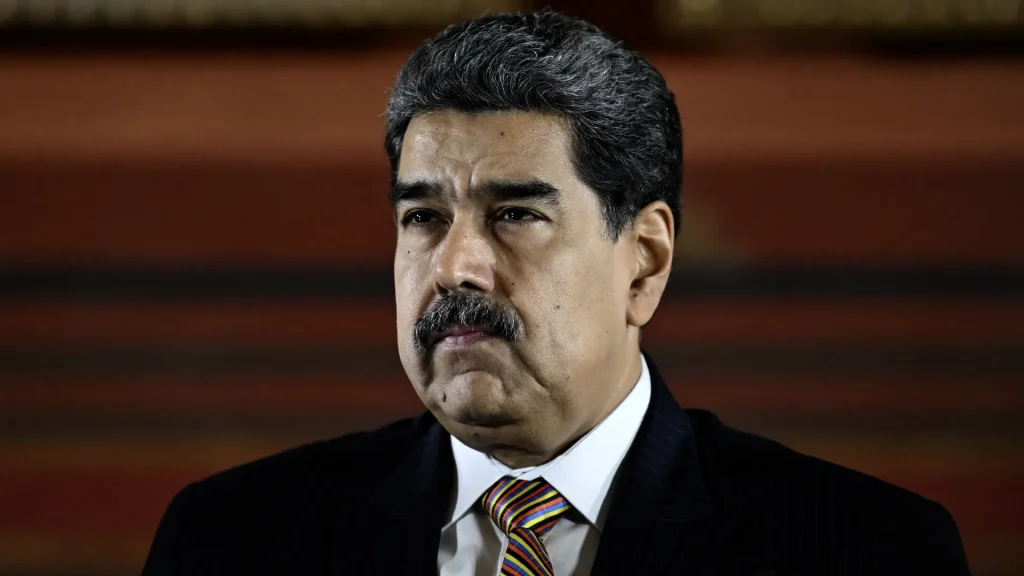
Nicolás Maduro
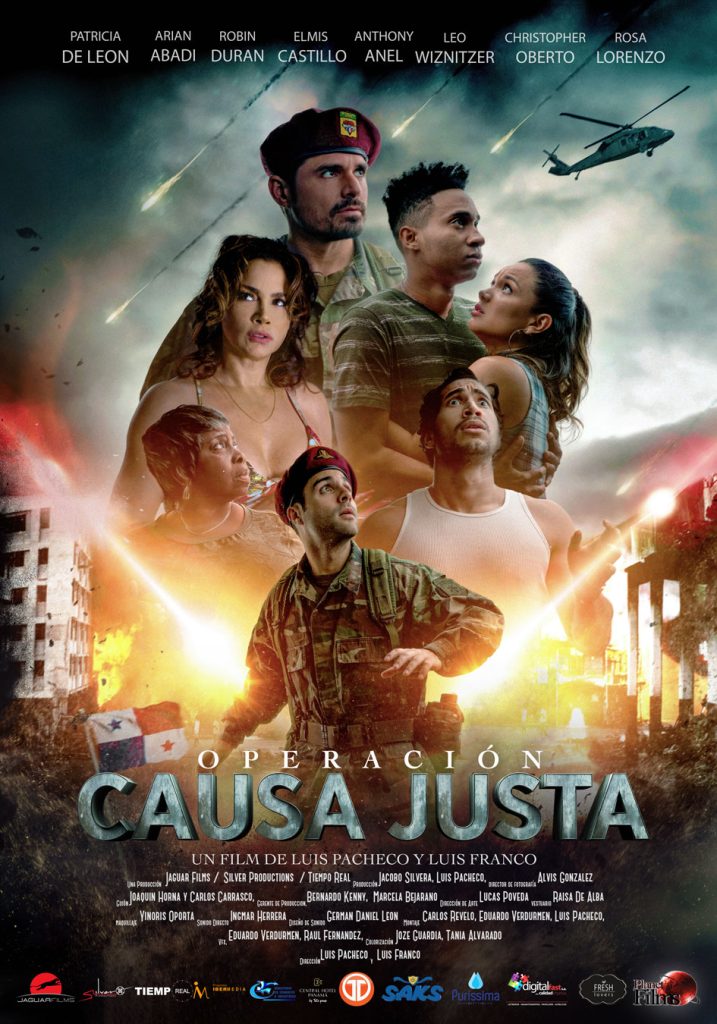
In the early hours of December 20, 1989, the skyline of Panama City was torn apart by tracer rounds and explosions, marking the start of Operation Just Cause. This was the largest U.S. military action in the late Cold War era.
It wasn’t just a mission to take down Panamanian leader Manuel Antonio Noriega; it was a tectonic shift in Western geopolitics. Deploying nearly 27,000 troops and cutting-edge hardware like the F-117A stealth fighter, the U.S. aimed to topple a “CIA asset” who had gone rogue and redraw Panama’s political map.
To understand this conflict, we must look past the official narrative, starting from the colonial legacy of the Canal Zone to the deep-seated complications of intelligence collusion and the struggle of a small nation under the shadow of a superpower.
Catalogue

Rise in the Shadows
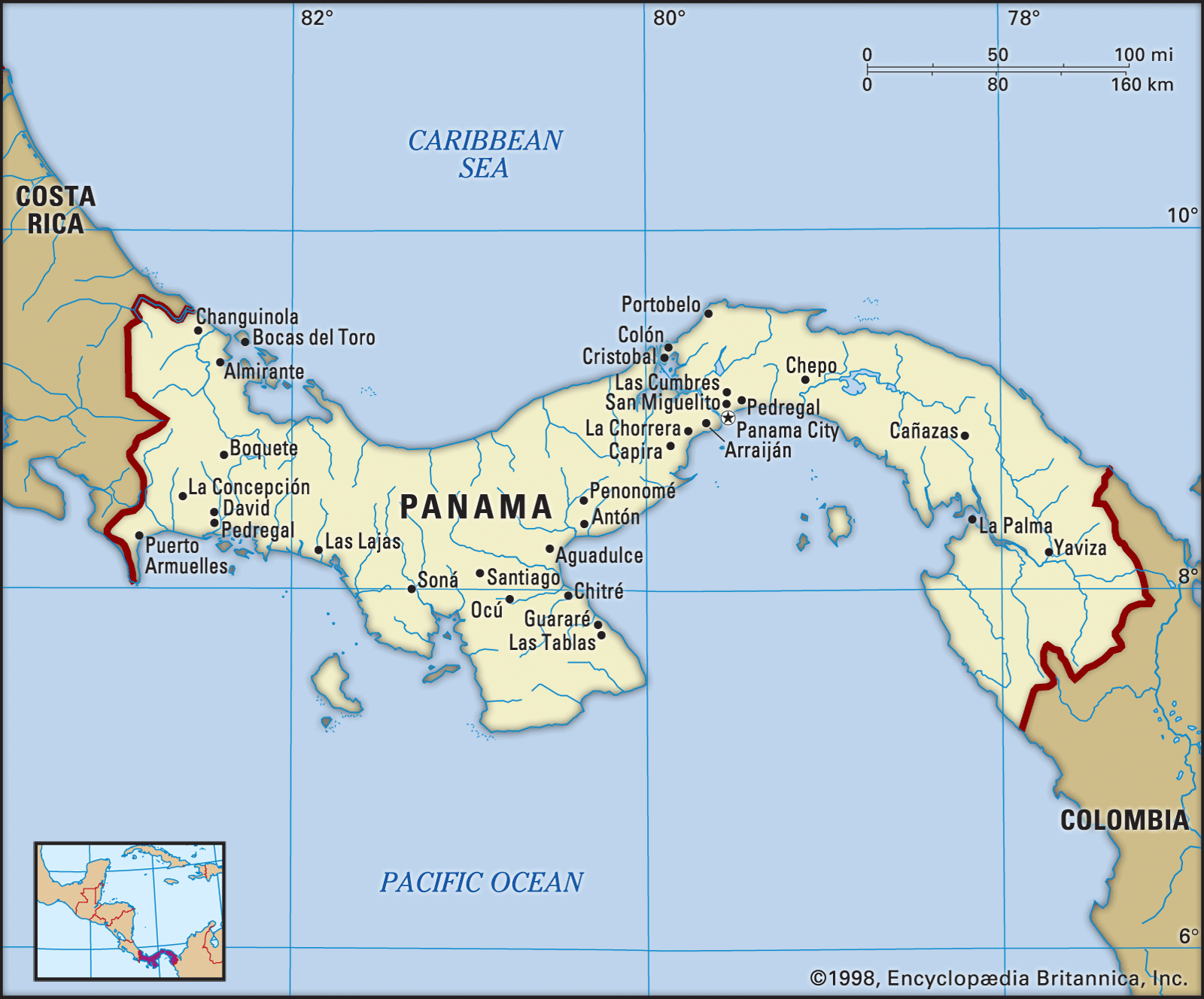
The roots of the 1989 crisis trace back to Panama’s very birth.In 1903, with U.S. backing, Panama split from Colombia and signed a treaty granting the U.S. “permanent” rights over the Canal Zone. This effectively made Panama a U.S. protectorate, with the Canal Zone acting as a “state within a state,” complete with its own laws and military.
This lopsided sovereignty fueled fierce Panamanian nationalism, with the military becoming its primary vehicle. General Omar Torrijos’s 1968 coup was the pinnacle of this sentiment. Torrijos eventually secured the Torrijos-Carter Treaties in 1977, setting a hard deadline for the U.S. to hand back the Canal by December 31, 1999.
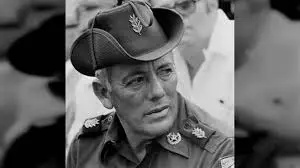
Manuel Noriega rose to power within this context. A product of the Chorrillos Military School in Peru, he became Torrijos’s right-hand man and head of the feared military intelligence branch, G2. This role allowed him to crush domestic dissent while opening doors to international spy networks.
Noriega’s relationship with U.S. intelligence began in the late 1950s and was formalized by 1967. For years, he was “on the CIA payroll”. During the Cold War, Noriega was a “valuable asset” for Washington’s anti-communist strategy, providing intel on Cuba and Nicaragua. He even met personally with George H.W. Bush during Bush’s tenure as CIA Director(1976-1977).
However, Noriega was a quintessential double-dealer. While pocketing CIA cash, he sold U.S. secrets to Cuba’s DGI and helped Havana bypass U.S. trade embargoes. He maintained ties with Mossad and Taiwanese intelligence, earning him the nickname “Rent-a-Colonel” from the State Department.
This “marriage of convenience” peaked during the Reagan era, when Noriega helped funnel arms to the Nicaraguan Contras, even as the Washington turned a blind eye to his involvement in drug trafficking.
From Ally to Pariah
In 1981, General Omar Torrijos was killed in a mysterious plane crash. Although the official investigation attributed it to bad weather or pilot error, conspiracy theories about an assassination have long circulated among the Panamanian public, with Noriega and the CIA being named as suspects. Torrijos’ death left a huge power vacuum.
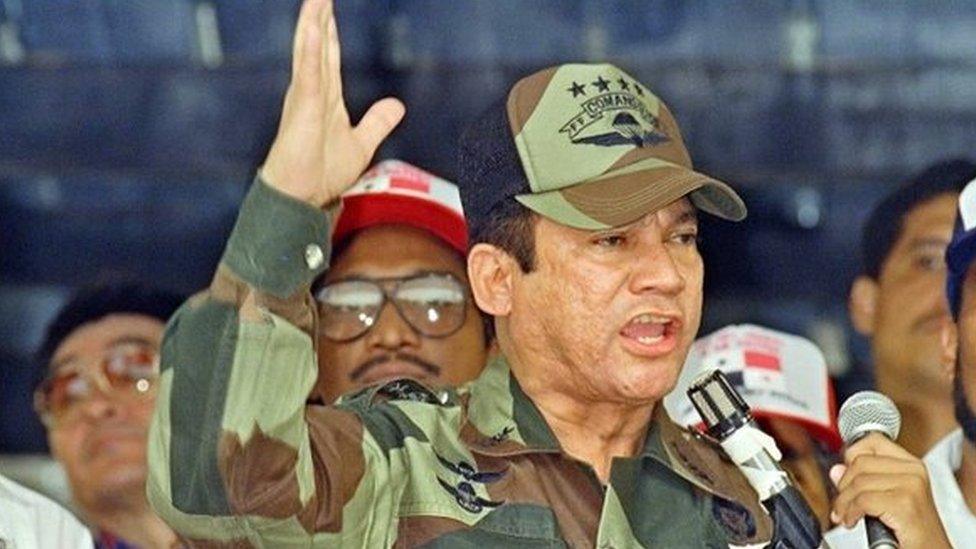
In the following two years, through a series of elaborate political manipulations and purges, Noriega defeated his competitors. In 1983, he integrated the Panamanian National Guard, restructured it into the Panama Defense Forces (PDF), and appointed himself as the Commander – in – Chief.
Unlike Torrijos, Noriega lacked charisma and a popular base. His rule relied more on terror, intelligence control, and absolute command of the military. He frequently replaced puppet presidents (such as Ricardo de la Espriella, Nicolás Ardito Barletta, etc.) to ensure that no civilian official could challenge his authority.
In 1985, a brutal murder case completely changed the nature of Noriega’s regime and began to shake the moral foundation of US support for him. Hugo Spadafora, a legendary Panamanian doctor and revolutionary who had served as the Deputy Minister of Health, publicly accused Noriega of being involved in drug trafficking and threatened to expose conclusive evidence.
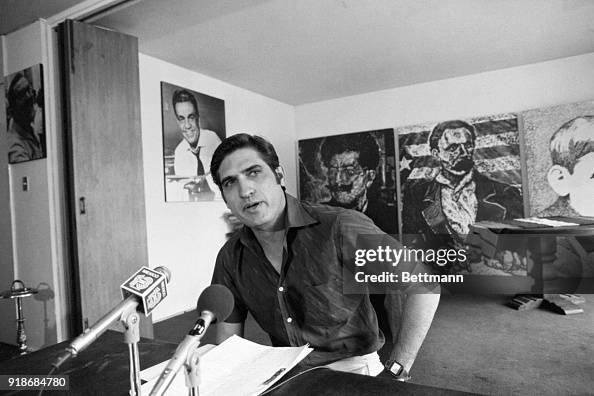
In September 1985, Spadafora was arrested on his way back to Panama by bus from Costa Rica. Witnesses said he was taken away by the Panama Defense Forces. A few days later, his beheaded body was found in a mailbag on the Costa Rican border. The body was covered with marks of extremely brutal torture, and the so – called “F – 8” mark was carved on his back, but his head remains missing to this day.
This case triggered a wave of anger in Panama. The then – president Nicolás Ardito Barletta tried to launch an investigation into it but was soon forced to resign by Noriega. This incident sent a clear signal to Washington: Noriega had lost control. He was no longer a strongman maintaining order but an unstable tyrant. The US Embassy in Panama began sending increasingly worrying reports to the State Department, pointing out that Noriega’s brutal acts had become a huge liability for the US in promoting its democratic image in the region.
In 1986, Seymour Hersh, a well – known American investigative journalist, published a series of articles in The New York Times, revealing in detail Noriega’s involvement in drug trafficking, money laundering, and providing intelligence to Cuba. These reports caused a stir in the US political arena. Senators such as Jesse Helms began publicly calling Noriega a drug lord and demanding that the Reagan administration cut off ties with him. At this time, the political climate in the United States was also changing.
The “War on Drugs” gradually replaced anti – communism as the focus of public attention in the United States. Noriega’s role as a transit point and protector for the Medellín Cartel in Colombia rapidly deteriorated his image in the eyes of the American public. Although some officials from the CIA and the Department of Defense still tried to protect him on the grounds of “national security”, the State Department and the Department of Justice had started to prepare a legal campaign against him.
The Tightening Noose
On February 4, 1988, a federal grand jury in the United States formally indicted Manuel Noriega in Miami and Tampa, charging him with crimes such as racketeering, drug – trafficking, and money – laundering. The indictment detailed how Noriega accepted bribes (allegedly over $4 million) from the Medellín Cartel, provided refueling and protection for planes full of cocaine, and used Panama’s banking system to launder drug money.
This was the first time in US history that a criminal indictment was brought against a serving foreign de – facto head of state, sparking intense controversy in international law. Noriega scoffed at this, believing it was merely a political pressure tactic by the United States. In response, he intensified domestic repression and began to make more overt anti – American remarks, attempting to exploit nationalist sentiment to consolidate his power.
The Reagan administration subsequently invoked the International Emergency Economic Powers Act (IEEPA) and imposed severe economic sanctions on Panama. The United States froze all assets of the Panamanian government in the US, prohibited US companies and individuals from paying taxes or making payments to the Noriega regime, and withheld canal tolls.
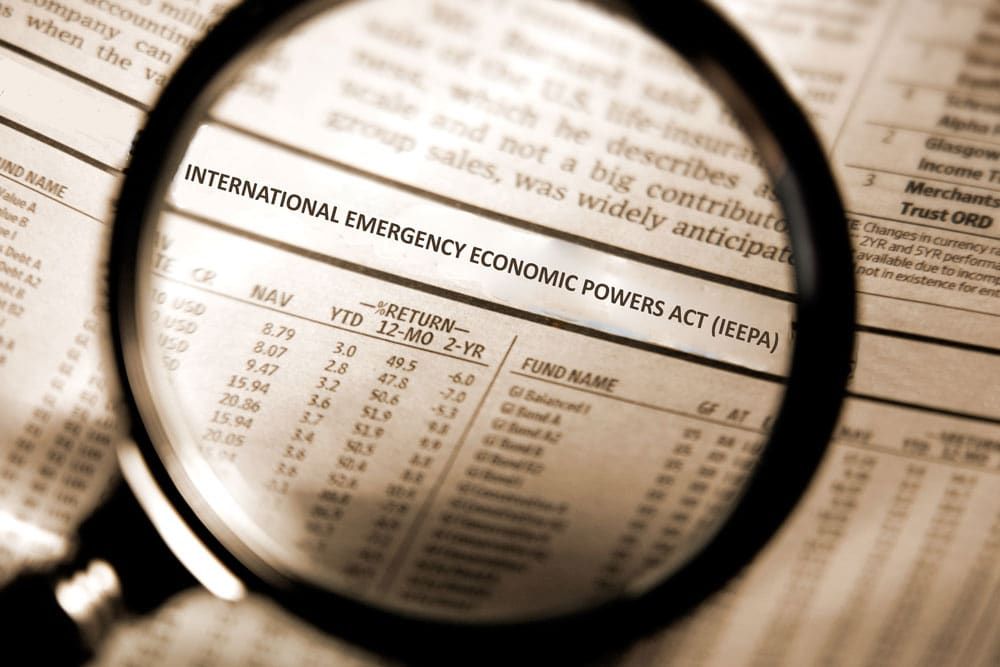
Since the Panamanian economy was highly dependent on the US dollar, which was its legal tender, the impact of the sanctions was devastating. The banking system shut down, cash flow dried up, and the GDP plummeted within a year. However, the sanctions did not lead to Noriega’s ouster as expected. Instead, they hit hard the Panamanian middle class and private business owners, who were the main forces of the anti – Noriega movement. Noriega, through controlling the military and engaging in black – market transactions, continued to live a luxurious life and attributed the economic hardships to “US imperialist aggression,” thus inciting anti – American sentiment among the lower – class population.
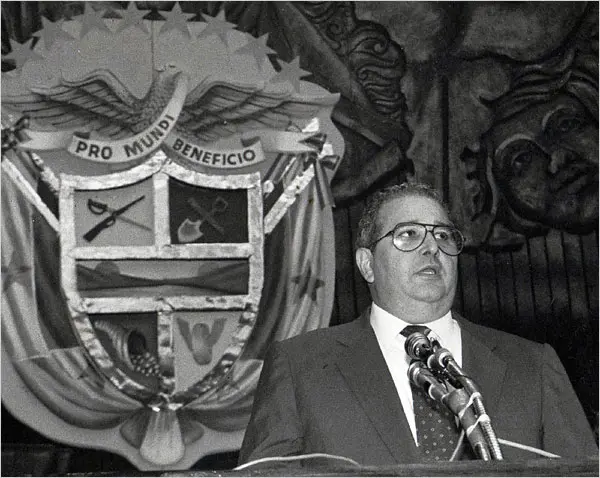
Guillermo Endara
In May 1989, Panama held a general election. The opposition coalition (ADOC) nominated Guillermo Endara as the presidential candidate. Statistics from international observers (including Jimmy Carter) showed that Endara defeated Noriega’s puppet candidate by a landslide (about 3 to 1).
When the election results were announced, Noriega brazenly declared the election invalid. Subsequently, on the streets of Panama City, Noriega’s paramilitary organization, the “Dignity Battalions,” attacked the opposition’s parade. The world witnessed through television footage the image of Guillermo Ford, the vice – presidential candidate, with a blood – smeared face, trying to fend off the attackers. This image shocked the world and thoroughly humiliated the Bush administration, putting it under huge domestic pressure and being accused of being powerless against the tyrant.
On October 3, 1989, cracks appeared within Noriega’s camp. Major Moisés Giroldi led a group of officers to stage a coup and successfully detained Noriega at the Defense Forces headquarters for several hours. The coup plotters sought help from the United States Southern Command, hoping that the US military would block the roads to stop Noriega’s reinforcements.
However, the Bush administration and the US military hesitated at the crucial moment. Due to a lack of clear intelligence, suspicion of Giroldi’s motives (he had been a close associate of Noriega), and concerns about getting involved in a chaotic civil war, the US military did not take decisive action. Eventually, Noriega’s elite unit, the “2000 Battalion,” arrived and rescued him. After the failure of the coup, Noriega carried out a brutal purge of the participants. Giroldi and nine other officers were executed at Albrook Air Base, and many of them were tortured before death. This incident became known as the “Albrook Massacre.”
Major Moisés Giroldi
The failure of the coup became a political nightmare for President Bush. The media and Congress (including Les Aspin, who later became the Secretary of Defense) mocked him as a “Wimp Factor,” accusing him of missing the opportunity to resolve the issue without bloodshed. This sense of humiliation became a powerful psychological impetus for the Bush administration to accelerate the formulation of the invasion plan, “Operation Just Cause.”
The Point of No Return
On December 15, 1989, under the instigation of Manuel Noriega, the National Assembly of Panama passed a resolution declaring a “State of War” between Panama and the United States. Subsequently, Noriega was conferred the title of “Maximum Leader,” thus consolidating his control over the Party, government, and military. Although this was largely a political rhetoric aimed at mobilizing domestic support and protesting against US sanctions, in Washington, it was interpreted as a clear signal of escalating danger.
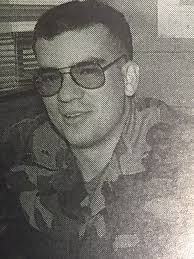
On the evening of December 16, the tense situation escalated into a bloody conflict. Four off – duty American soldiers got lost in Panama City while driving a private car and entered a checkpoint near the headquarters of the Panamanian Defense Forces. When they tried to drive away, Panamanian soldiers opened fire, killing Lieutenant Robert Paz of the United States Marine Corps.
Meanwhile, another American naval officer present, Adam Curtis, and his wife were detained by the Panamanian Defense Forces. Curtis was brutally beaten, and his wife was threatened with sexual assault and subjected to humiliating interrogations. This series of violent acts against American military personnel and their families crossed the red line of the US President’s responsibility to protect the lives of overseas citizens.
Upon learning of Lieutenant Paz’s death and the ordeal of the naval officer and his wife, President George H. W. Bush believed that diplomatic means had been completely exhausted. In his subsequent national address, he angrily pointed out, “General Noriega’s reckless threats and attacks on Americans have created an imminent danger… That was enough.”
On December 17, President Bush secretly signed the invasion order. The United States Southern Command promptly launched the long – brewing “Operation Just Cause” plan. This was a full – scale invasion aimed at quickly paralyzing the Panamanian Defense Forces, arresting Noriega, and installing the Endara government through overwhelming force.
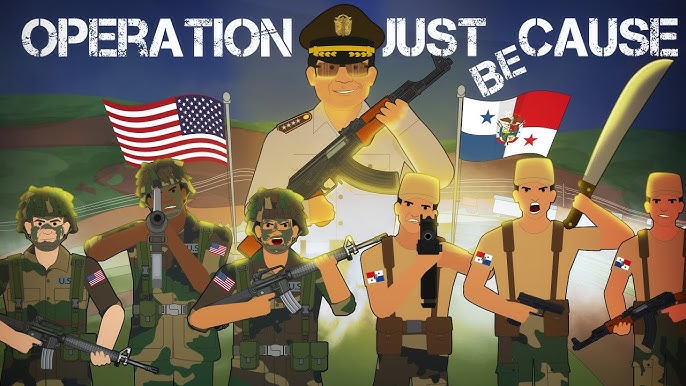
Operation Just Cause
Operation was scheduled to be launched at 1:00 a.m. (H-hour) on December 20, 1989. The U.S. military mobilized approximately 27,000 soldiers, including the 82nd Airborne Division, the 75th Ranger Regiment, the Navy SEALs, the Army Special Forces (Green Berets), and the 193rd Infantry Brigade stationed in the Canal Zone. This was not only the largest – scale military operation of the U.S. military since the Vietnam War, but also the first combat debut of the stealth fighter (F – 117A).
The core strategy of the operation was “Simultaneous Takedown”, which meant attacking 27 key targets within Panama at the same time. This would prevent the PDF (Panamanian Defense Forces) from coordinating effectively, rapidly disintegrating their chain of command.
The Major Battles of “Operation Just Cause”
The Raid of Rio Hato
Rio Hato was the base of the 6th and 7th companies of the PDF, and it was also a base frequently visited by Noriega. The mission of the 75th Ranger Regiment of the U.S. military was to seize the airport through low – altitude parachute jumps. To achieve the effect of a surprise attack, two F – 117A stealth fighters dropped 2,000 – pound laser – guided bombs near the barracks before the parachute jumps. The huge explosion shocked the defenders. Subsequently, the Rangers parachuted at an extremely low altitude (about 500 feet). After landing, they quickly engaged in close – range gun battles with the PDF troops who resisted tenaciously. Eventually, they gained control of the airport and surrounding facilities.
The Battle at Paitilla Airfield
Paitilla Airfield was located in the urban area of Panama City, where Noriega’s private jet was parked. The Navy SEALs were ordered to blockade the airport to prevent Noriega from escaping. However, due to intelligence failures and the loss of concealment, the Navy SEALs were subjected to intense strafing by PDF armored vehicles and heavy machine guns on the open runway. Although they finally destroyed Noriega’s plane (a Learjet), they paid a heavy price: 4 Navy SEALs were killed and 8 were seriously injured. This was the bloodiest battle for the U.S. special forces during the entire invasion.
The Great Fire in El Chorrillo
This was the most controversial and destructive part of the entire operation. The PDF headquarters (La Comandancia) was located in El Chorrillo, a densely populated slum area. The U.S. military used AC – 130 gunships, AH – 64 Apache helicopters, and M551 Sheridan light tanks to carry out intense bombardment of the headquarters building.
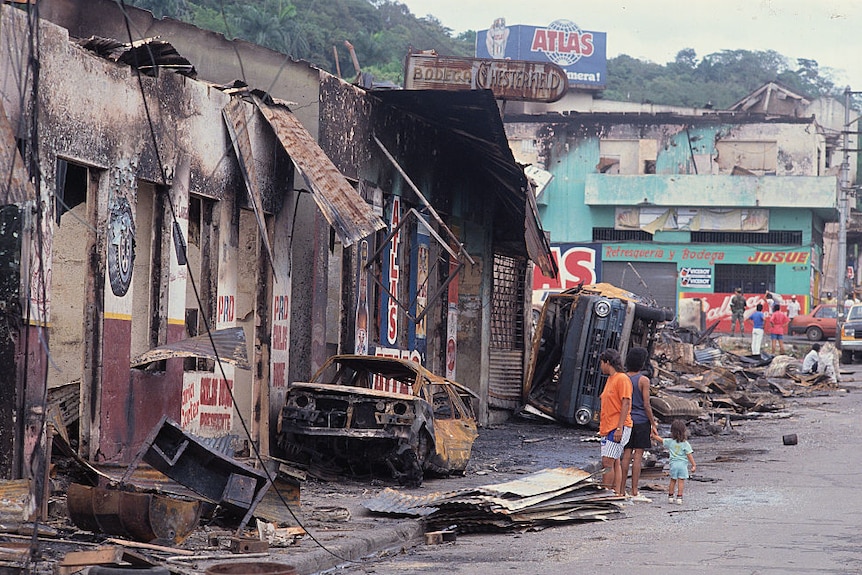
The fire caused by the battle quickly spread to the surrounding wooden houses. Regarding the cause of the fire, the U.S. military accused the Dignity Battalion of deliberately setting fires to create chaos when retreating; while local residents and human rights organizations believed that it was the heavy firepower of the U.S. military (including tracer bullets) that ignited the community. But regardless of the cause, the result was disastrous: the entire neighborhood was flattened, about 15,000 residents were left homeless on the eve of Christmas, and many civilians were killed in the fire and cross – fire.
While the fighting raged, Guillermo Endara was sworn in as President at a U.S. military base—a government “born on a U.S. base” without the Panamanian public present.
Hunting the Dictator
Although the US military achieved an overwhelming tactical victory, the primary target, Manuel Noriega, managed to escape in the early stages of the invasion. He hid throughout Panama City via a network of his loyal followers, causing anxiety for General Maxwell Thurman, the US military commander, who was worried that Noriega would flee into the jungle and launch guerrilla warfare.
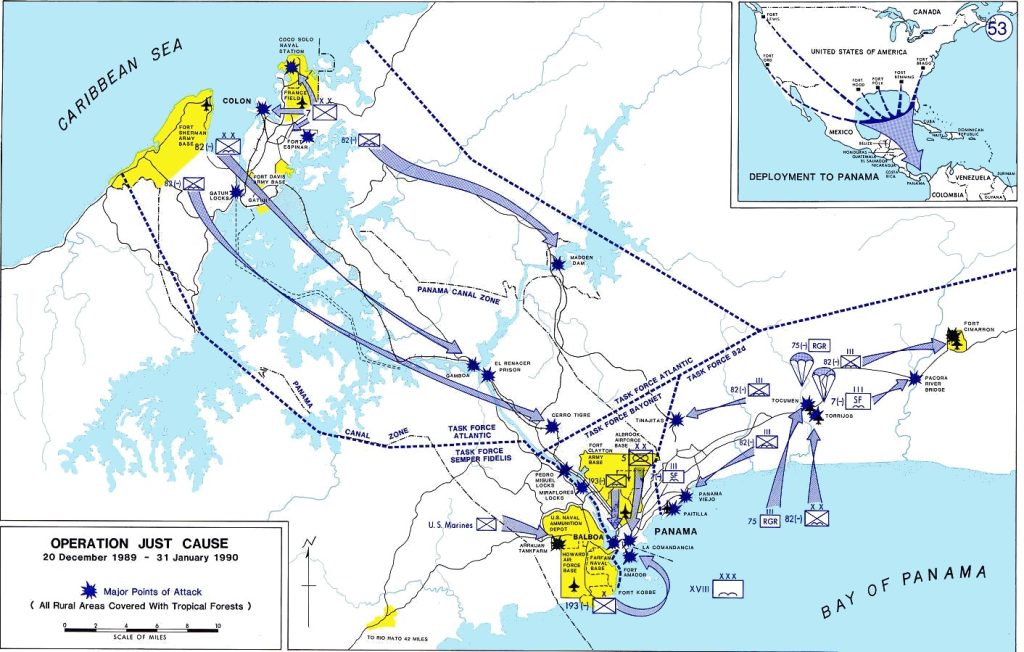
The US military promptly launched a special operation codenamed “Operation Nifty Package,” carried out by the Navy SEALs and the Delta Force. They systematically cut off all of Noriega’s escape routes, sank his yacht, blocked the airport, and arrested his cronies.
On December 24th, with no way out, Noriega fled to the Apostolic Nunciature in Panama to seek political asylum. This created an extremely sensitive diplomatic deadlock: the US military could not force its way into the embassy, which enjoyed diplomatic immunity, to arrest him.
To force Noriega to surrender, the 4th PSYOP Group of the US military carried out an unprecedented “music bombardment.” The US military set up a large wall of speakers outside the embassy and played heavy metal and rock music at extremely high volumes day and night.
The playlist included
- I Fought the Law (The Clash)
- Welcome to the Jungle (Guns N’ Roses)
- Panama (Van Halen)
- You Shook Me All Night Long (AC/DC)
The US military claimed that this was to prevent Noriega from using highly sensitive equipment to eavesdrop on US military deployment conversations, but it was clearly also a means of psychological torture. This practice infuriated Monsignor Laboa, the Vatican’s ambassador, who complained that the noise not only tormented Noriega but also prevented the clergy inside the embassy from resting. Eventually, under international pressure and the Vatican’s protest, the US military stopped the music bombardment.
Inside the embassy, Ambassador Laboa also exerted great psychological pressure on Noriega, hinting that the Vatican might revoke its asylum if he did not surrender. Meanwhile, thousands of angry Panamanian people gathered outside the embassy, shouting slogans demanding Noriega’s trial.
On January 3, 1990, Noriega, wearing an old military uniform, walked out of the embassy gate and surrendered to the US military. He was immediately handcuffed and taken onto a US military transport plane bound for Miami, officially ending his autocratic rule.
The Cost of War
The casualty figures of “Operation Just Cause” remain a focal point of contention among various parties to this day, with significant discrepancies in data from different sources.
| Source | U.S. KIA | PDF KIA | Panamanian Civilian Deaths | Notes |
|---|---|---|---|---|
| U.S. Official (SOUTHCOM) | 23 | 314 | 202 | Alleged undercount of civilians |
| Human Rights Watch | – | – | 300 | Noted violation of proportionality |
| UN | – | – | 500 | – |
| CONADEHUPA | – | – | 2,000 – 3,000+ | Includes missing persons |
| Ramsey Clark | – | – | >4,000 | Radical estimate |
At the core of the dispute is whether the US military used excessive force in places like El Chorillo. Independent investigations have pointed out that the US military failed to distinguish between military targets and civilian areas. There are also accusations that the US military took control of morgues and confiscated records to cover up the true numbers, and there were even cases where unidentified bodies were buried in mass graves.
War brings not only casualties but also the collapse of the economic order. During the power – vacuum period when the Panamanian Defense Forces disintegrated and the main US military forces concentrated on military targets, large – scale looting broke out in Panama City and Colón. It is estimated that 90% of commercial stores were ransacked, resulting in direct economic losses ranging from $1 billion to $2 billion. The life – long savings of many business owners vanished overnight, which further exacerbated the Panamanian economy that had just endured two years of economic sanctions.
The subsequent $420-million aid plan provided by the United States (trading “popcorn” for “gold bars”) has been widely criticized as a drop in the bucket, far from sufficient to compensate for the damage caused by the war.
Aftermath of the Warand
Noriega was put on trial in Miami, the United States, which is an extremely rare case in international law: a court of one country tried the de facto head of state of another country who was captured. During the trial, Noriega’s lawyers employed the “graymail” strategy, attempting to introduce evidence of his service in the CIA to prove that the US government was aware of his drug – related activities as a form of defense. However, most of these requests were rejected by the judge, who strictly confined the trial to specific drug – smuggling charges.
In 1992, Noriega was convicted of eight crimes, including drug trafficking and money laundering, and sentenced to 40 years in prison. It is worth noting that the court recognized his status as a “Prisoner of War” (POW), which meant that he enjoyed special treatment protected by the Geneva Conventions in prison.
The international community reacted strongly to the invasion. The United Nations General Assembly adopted a resolution condemning the invasion as a “flagrant violation of international law.” In the Security Council, the United States, the United Kingdom, and France jointly vetoed the draft resolution condemning the United States, demonstrating the unity of Western allies at a critical moment. Latin American countries were generally outraged, and Peru even recalled its ambassador in protest. This once again awakened the region’s painful memories of the US “big stick policy.”
The most far – reaching political impact of “Operation Just Cause” was that Panama completely abolished its military. With the support of the United States, the Endara government disbanded the National Defense Forces. In 1994, a constitutional amendment was passed to officially abolish the standing army. Now, Panama only has the Panamanian Public Forces, which have the nature of a civilian police force.
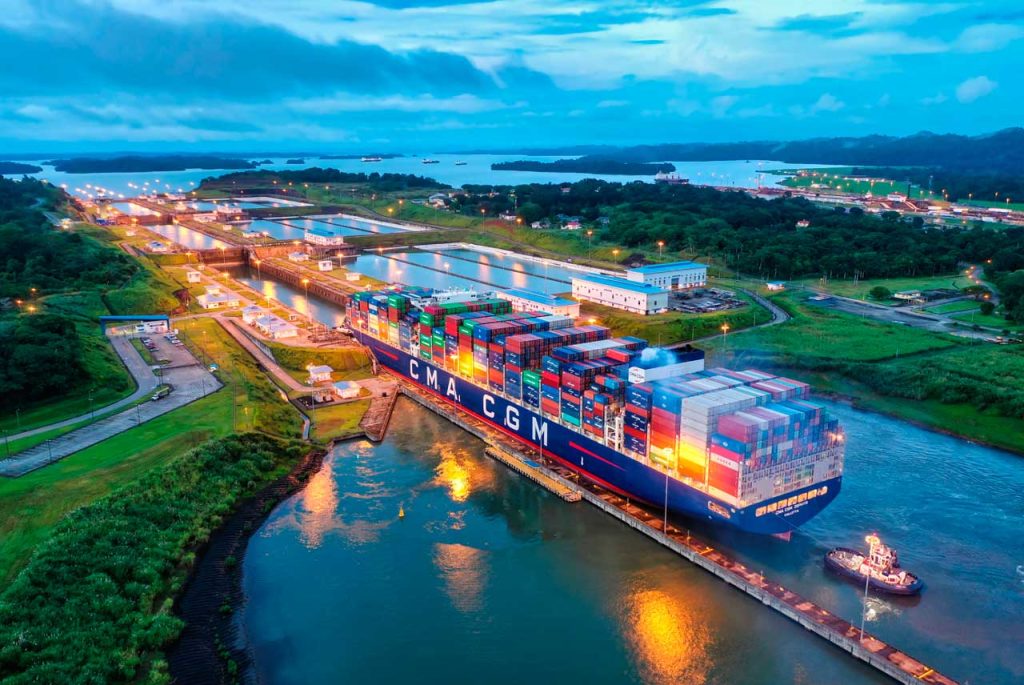
On December 31, 1999, despite the twists and turns of the invasion, Panama regained sovereignty over the Panama Canal. Today, the canal, managed by Panamanians, is an important engine for the country’s economic development.
Echoes of History
The Panama Crisis in 1989 was a highly dramatic chapter in the closing pages of the Cold War. Manuel Noriega, who rose from a slum – dwelling youth to an asset of the CIA and then ended up in prison, demonstrated how a leader of a small country tried to survive in the cracks between superpowers. Eventually, he was crushed due to misjudgment of the situation, leaving a vivid footnote to that turbulent era with his life.
For the United States, it was a military victory, yet it also left a heavy moral deficit in terms of interventionism, civilian casualties, and the principles of international law. The most unfortunate ones were those civilian casualties, who became sacrifices to politicians and the times.
Now, The aftermath of the Venezuelan incident has just begun. The Trump administration has “set an example” for countries around the world. It’s not the only country that has such capabilities (the Russian raid plan on Antonov Airport failed). In the past, countries might have been deterred by international law and morality and not taken such actions easily, but after this, it’s really hard to say…
The White House claims to “rebuild” Venezuela. However, as those who understand know well about the so – called “rebuilding” by the United States. Eventually, the civilians in Venezuela, just like those in Panama, have become sacrifices of the times.
“The possession of wealth often brings trouble.”