
History
In a Flash!
2025 has come to a close. While the global economic downturn persists, trade wars between nations continue, and regional conflicts rage on, this year marked a pivotal turning point. With the exponential advancement of artificial intelligence models, human society has crossed the fundamental threshold into the future era. In short—the future is already here.
As we look to the future with both hope and uncertainty, perhaps we should also pause to reflect on the past. With the dawn of the Age of Exploration, human civilization began its transition from isolated development to global interconnectedness. The past five hundred years in particular have been the most rapid period of human progress—a mere blink in cosmic time that has carried humanity from the darkness of the Middle Ages into the digital cyber era.

Glory’s Last Light Of The Old World
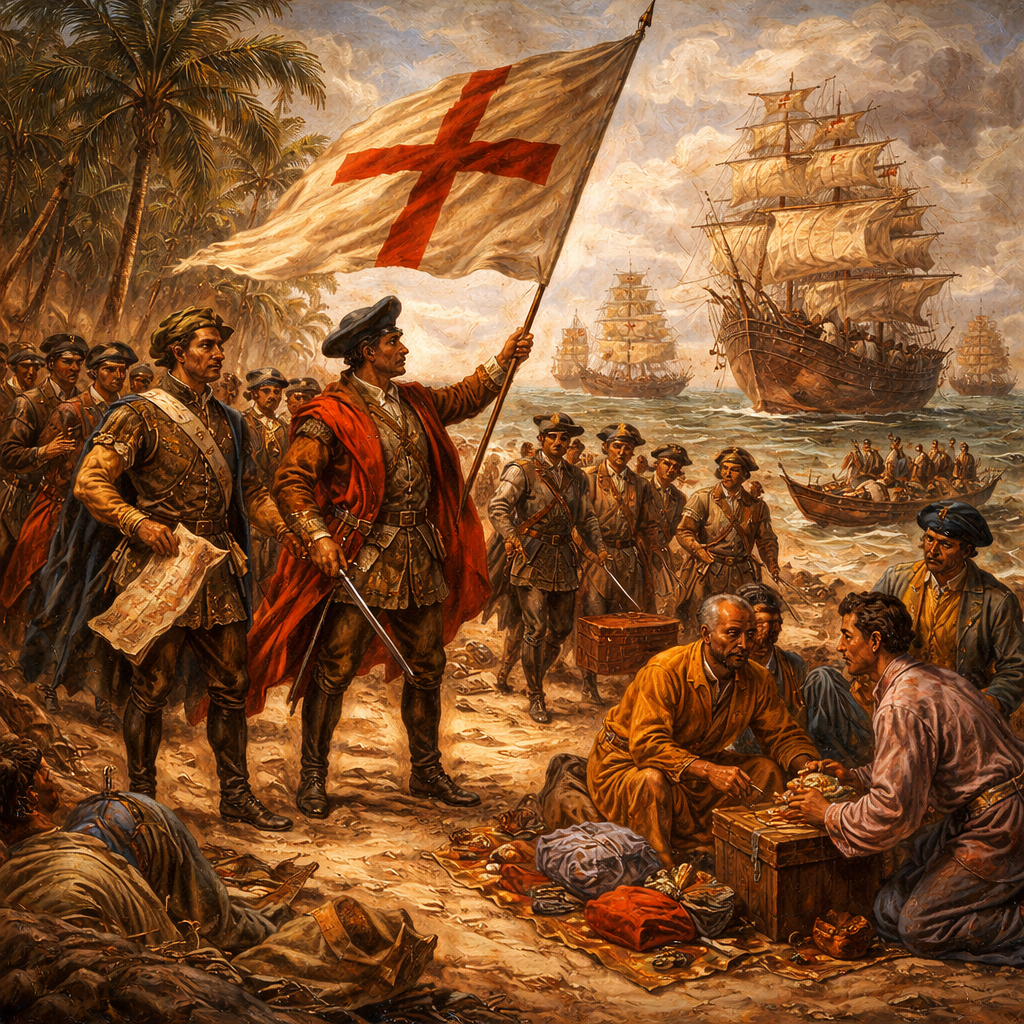
In 1525, Magellan’s expedition (1519-1522) had just completed the first circumnavigation of the globe. Across Europe, the Protestant Reformation was sweeping the continent, while peasant uprisings in the German states delivered a powerful blow to medieval theocracy, planting seeds of intellectual liberation deep in the soil.
Meanwhile in Asia, China was in the early years of the Jiajing Emperor’s reign during the Ming Dynasty, where a commercial economy continued to flourish in the Eastern empire and the Confucian school of ‘Yangmingism‘ (founded by Wang Yangming) began to rise—a philosophy that would profoundly influence later generations. Japan was mired in the chaotic Sengoku period, with regional daimyos locked in constant warfare and social structures undergoing dramatic transformation.
In the Middle East, the Ottoman Empire stood at the zenith of Suleiman the Magnificent’s rule, its territories expanding continuously as it became a key power connecting Europe, Asia, and Africa. On the African continent, the Empire of Songhai enjoyed its final golden age, while in the Americas, the Aztec and Inca civilizations faced direct assault from Spanish conquistadors.
By the end of the 16th century—when the ancient city of Pompeii emerged from its underground burial and Shakespeare completed Henry V—isolated civilizations had begun to converge, old and new systems clashed, and the Old and New Worlds collided. As established powers slowly declined and new hegemons rose to prominence, humanity stepped into the 17th century.
Two Revolutions, One Century
During this era, China in Asia underwent the turbulent transition from Ming to Qing dynasties. The Qing Dynasty, established by the Manchus, gradually stabilized the chaotic empire through military might, yet its policy of cultural subjugation and isolationism began eroding the foundations of this ancient ‘Land of Silk.’ In Japan, the Sengoku period of civil wars came to an end, with the once-marginal Tokugawa Ieyasu emerging victorious as the ‘Shogun,’ inaugurating over two hundred years of Tokugawa shogunate rule.
In Western Europe, intellectual ferment flourished with Copernicus’ heliocentrism, Newton’s classical mechanics, and Descartes’ geometry. The Renaissance and scientific revolution sparked human awakening, while Enlightenment ideas of liberty, democracy, and equality exerted profound influence. Revolutions in the Netherlands and England’s Puritan Revolution brought merchant classes to center stage, finally dispelling the medieval darkness that had hung over Europe.
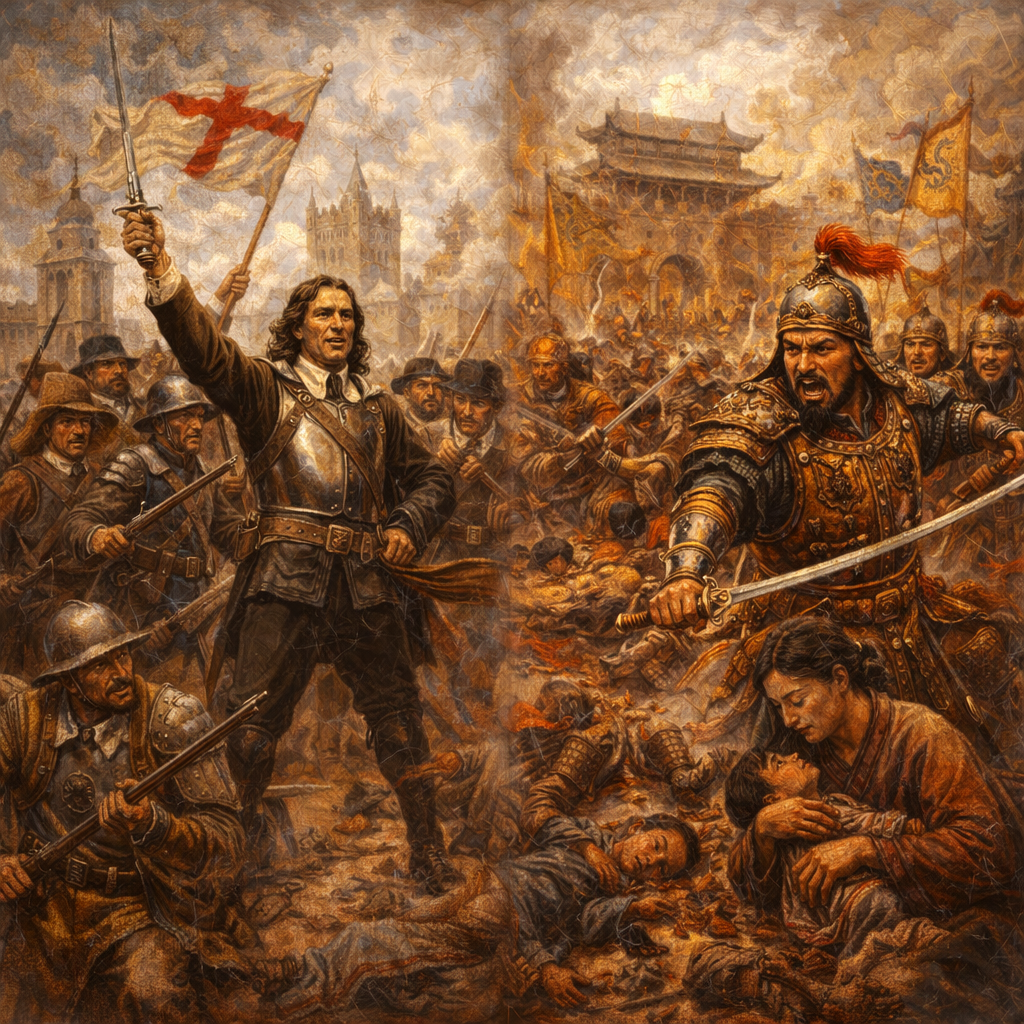
Meanwhile, European powers accelerated their colonial expansion. The African slave trade expanded relentlessly, colonial outposts multiplied across the New World, and demographic structures and social formations in Africa, the Americas, and Oceania were profoundly transformed. Yet beneath this expansion, tensions between colonies and mother countries began to surface.
Factories & Firearms
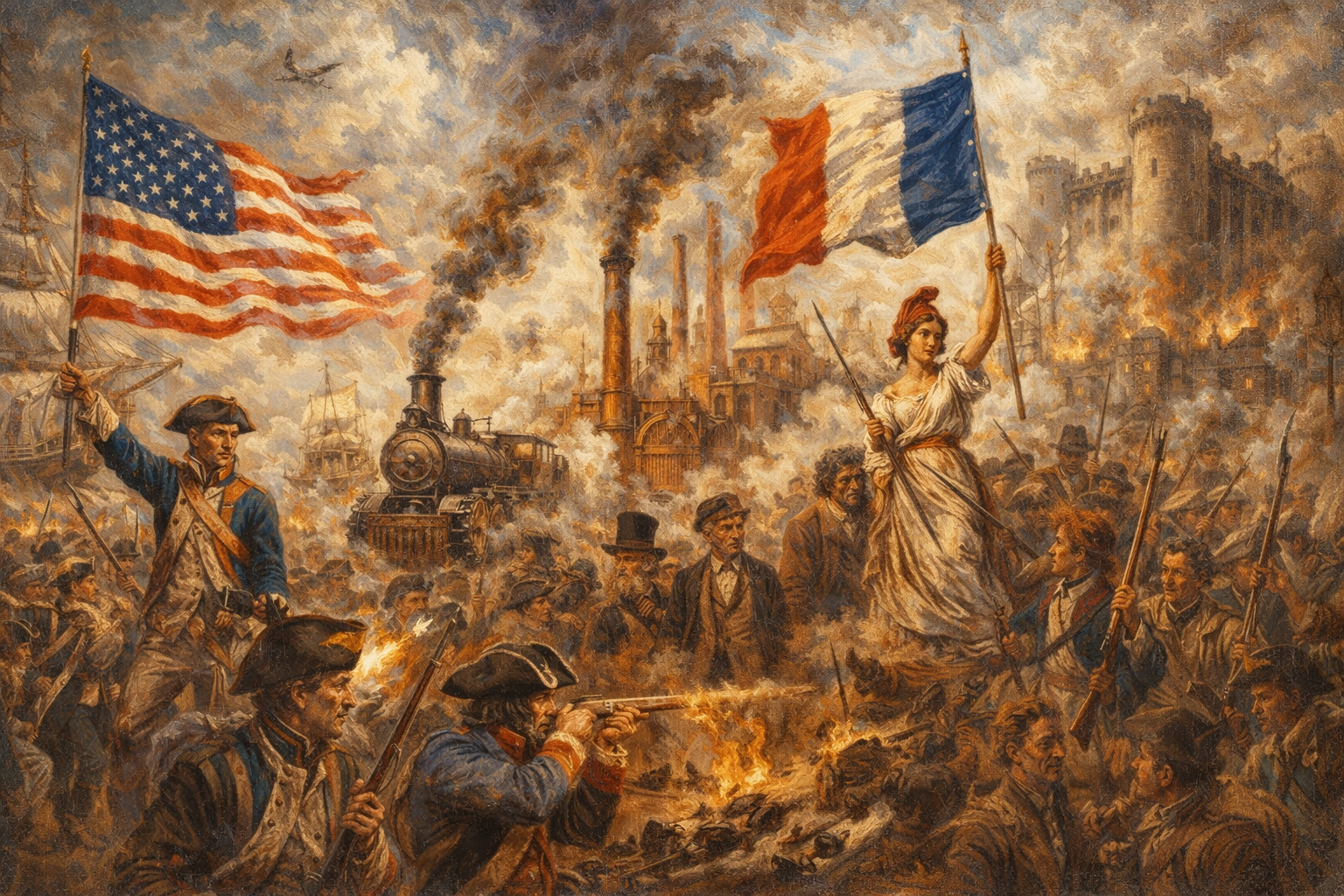
The 18th century belonged to industry.
The roar of steam engines propelled humanity into the industrial age, as factory systems began reshaping traditional social structures and global balances. European powers accumulated vast amounts of initial capital and first-mover advantages through piratical plunder, fraudulent trade, and the slave trade. Countless African blacks were transported to the New World, providing colonizers with abundant labor for developing the Americas while also sowing the seeds of severe racial problems.
The Mughal Empire in India declined from its peak, creating opportunities that European colonizers eagerly exploited. The Ottoman Empire, spanning three continents, began its long decline. In the Far East, China languished under harsh Manchu rule, where numerous ‘literary inquisitions’ and a rigid, corrupt bureaucratic system stifled social progress, widening the development gap with the West.
During this period, trade disputes and colonial rivalries among European nations intensified, ultimately plunging them into the depths of the Seven Years’ War. Though Britain emerged as the greatest victor, the enormous war expenses were transferred to its North American colonies, sparking intense resentment among local residents. Thirteen years after the war’s end, the American Revolutionary War (1775-1783) erupted, giving birth to a superpower that would profoundly shape the global political structure in the future. Meanwhile, the French Revolution (1789-1799) shattered the old aristocratic order, bringing new ideas of liberty, democracy, and equality to the historical stage.
Rampant Colonial Conquest
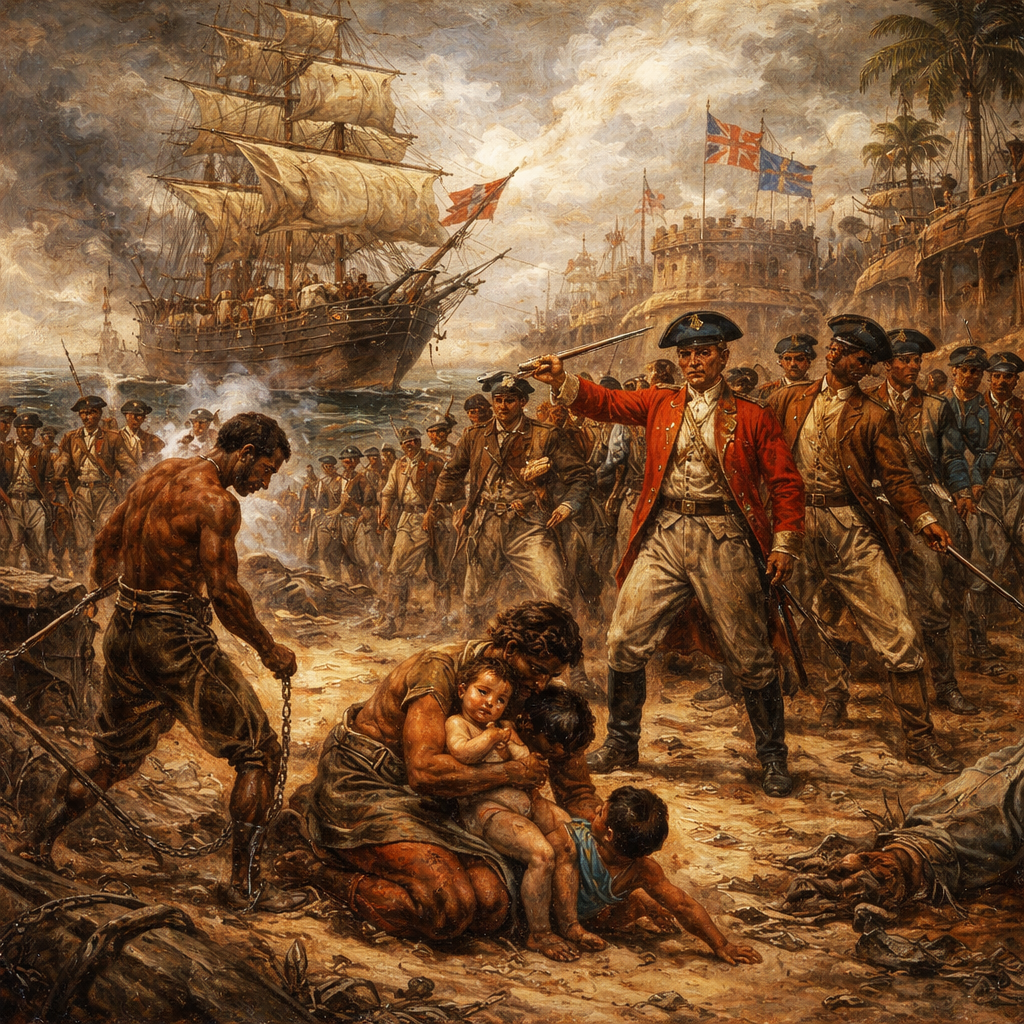
The 19th century saw colonial expansion intertwined with national awakening. The widespread application of electricity during the Second Industrial Revolution further exacerbated global development inequalities. Leveraging their industrial advantages, European and American powers launched a worldwide scramble for territories.
Meanwhile, Napoleon’s defeat dashed all hopes of unifying continental Europe, yet nationalism and democratic ideals gained widespread acceptance across Europe, giving rise to the new nations of Germany and Italy. Growing social inequalities led to the organization of the working class, spawning socialist and communist ideologies, with the Paris Commune representing their first major attempt at governance.
In Asia, China gradually became a playground for European and American powers after the Opium Wars, earning the derogatory label ‘Sick Man of East Asia.’ However, this also indirectly spurred reform efforts in the ancient ‘Land of Silk,’ with a series of national salvation movements emerging: the Taiping Rebellion, Self-Strengthening Movement, Hundred Days’ Reform, and Sun Yat-sen’s revolution. The ‘Sick Man of Europe,’ the Ottoman Empire, faced a similar fate in the Middle East, with its traditional social structures shattered and territories gradually eroded.
Japan, following the arrival of Commodore Perry’s ‘Black Ships,’ rapidly aligned itself with the West. Through the successful Meiji Restoration, it quickly industrialized and defeated China in the First Sino-Japanese War, emerging as an Asian power.
The African continent suffered even more tragically, facing complete partition following the Berlin Conference. Nearly every nation became a colony, severely devastating Africa’s traditional civilizations. In the Americas, independence movements swept across Latin America, with most countries breaking free from colonial rule. However, political instability and economic dependence persisted after independence. The United States preserved national unity through the Civil War, experienced rapid industrial economic growth, and gradually emerged as a major global economic power.
A Century of Clashes
The 20th century, the one closest to our own time, witnessed two world wars and the rise of communist movements that completely reshaped the global order. Western Europe’s traditional hegemony declined, while the Soviet Union—established through communist revolution—and the United States—emerging victorious through geopolitical advantage—became the post-WWII superpowers. The Cold War standoff profoundly influenced the fate of several generations.
During this process, waves of national independence swept across Asia, Africa, and Latin America. In China, after nationalist revolution overthrew Manchu rule and victory in the war of resistance against Japanese aggression, communists established the People’s Republic of China and embarked on the socialist path.
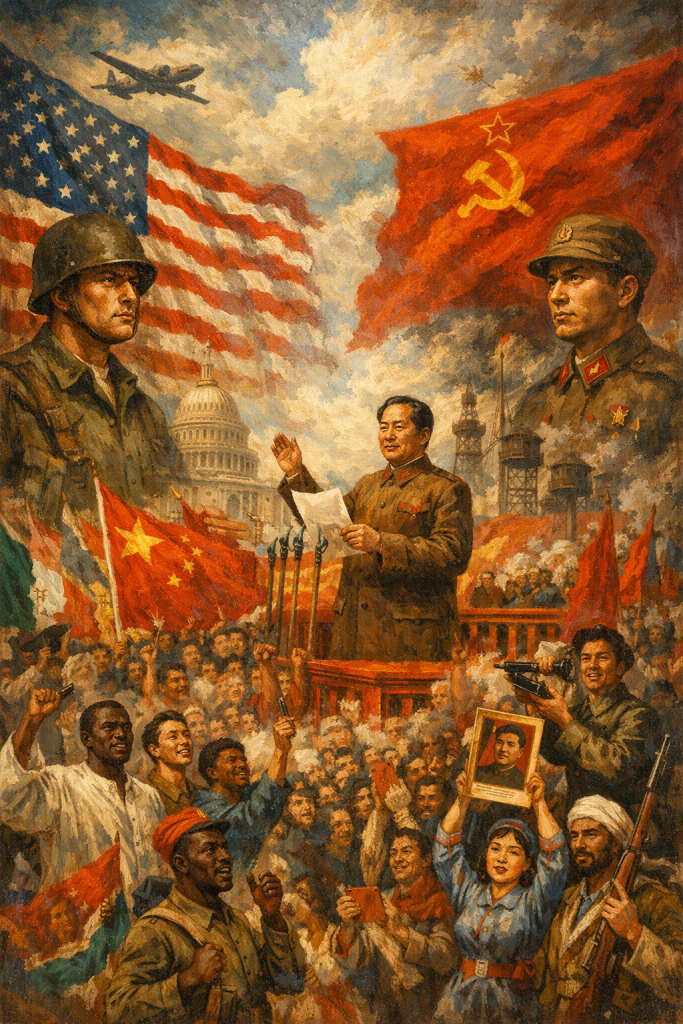
The Middle East, with its oil resources and religious-ethnic complexities, became a global hotspot for conflicts. Nations across Asia, Africa, and Oceania gradually gained independence from colonial rule, yet most newly independent states continued to face numerous challenges including economic development and ethnic conflicts.
In the 1990s, the Soviet Union collapsed, leaving the United States as the dominant global superpower. Latin American countries launched vigorous movements against hegemony and pursued economic autonomy. China moved beyond the era of class struggle and initiated economic reforms and opening-up policies. By the end of the 20th century, breakthroughs in information technology ignited the spark of the digital age, a transformation that began sweeping the globe and bringing new opportunities and challenges to development across all regions.
Our Uncertain Time
As the clock struck midnight on the year 2000, humanity entered a new millennium. The proliferation of the internet, evolution of mobile devices, and rise of artificial intelligence accelerated the pace of deep global integration. China’s rapid ascendance and development positioned it as a new superpower capable of competing with the United States, while the European Union, India, Southeast Asia, Africa, and Latin America emerged as significant forces that could alter the global balance of power.
Yet regional conflicts and divisions persist. Escalating confrontations in the Middle East and the Russia-Ukraine conflict, developmental challenges and ethnic tensions in Africa, anti-hegemonic struggles in Latin America, America’s global trade and tariff wars, and the perceived threats and challenges posed by China’s rise collectively form the complex global landscape we inhabit today.
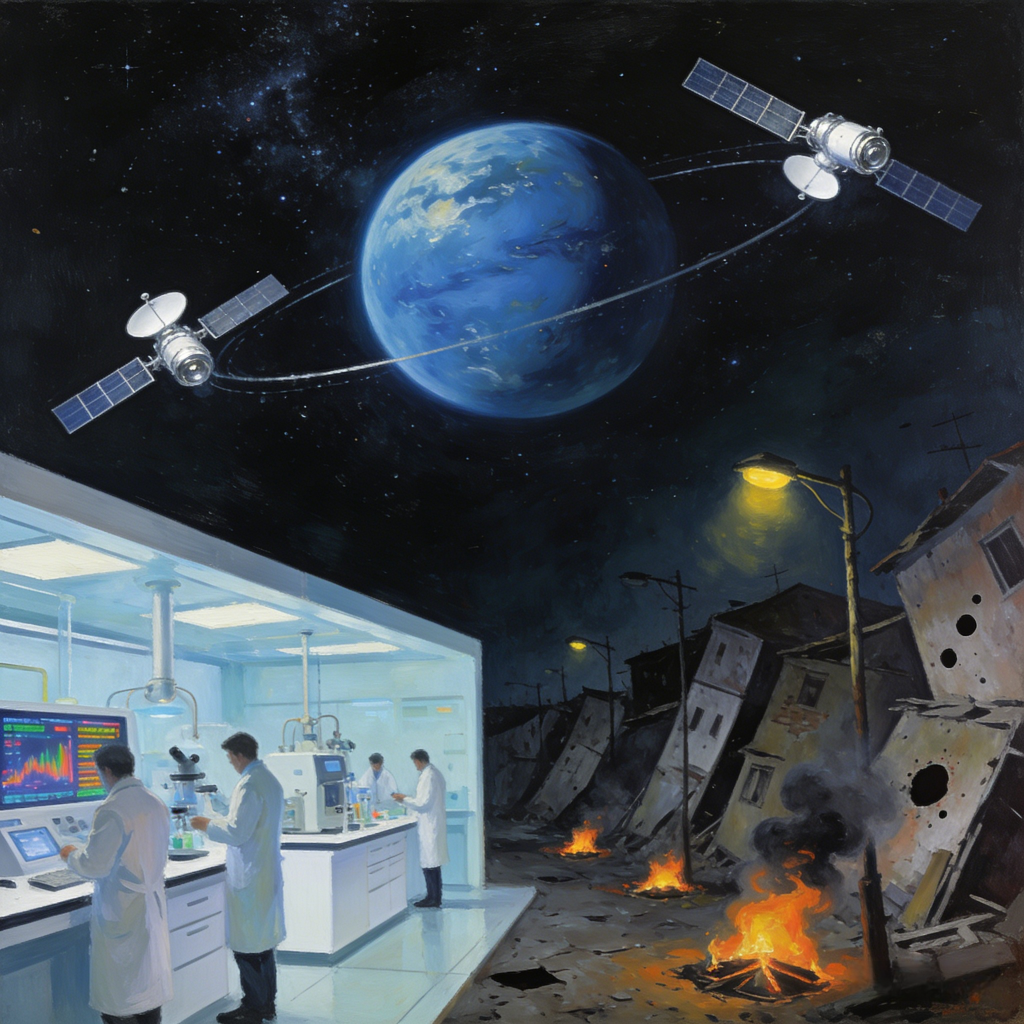
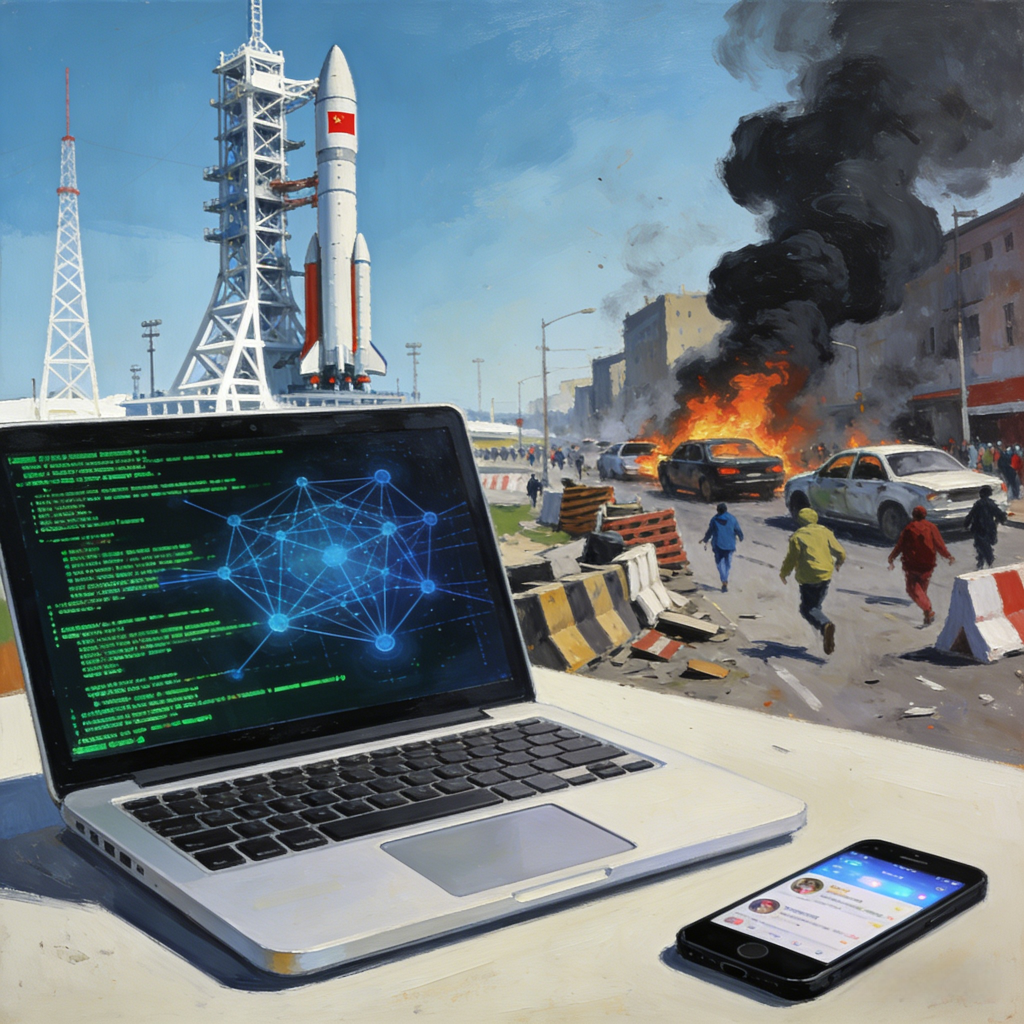
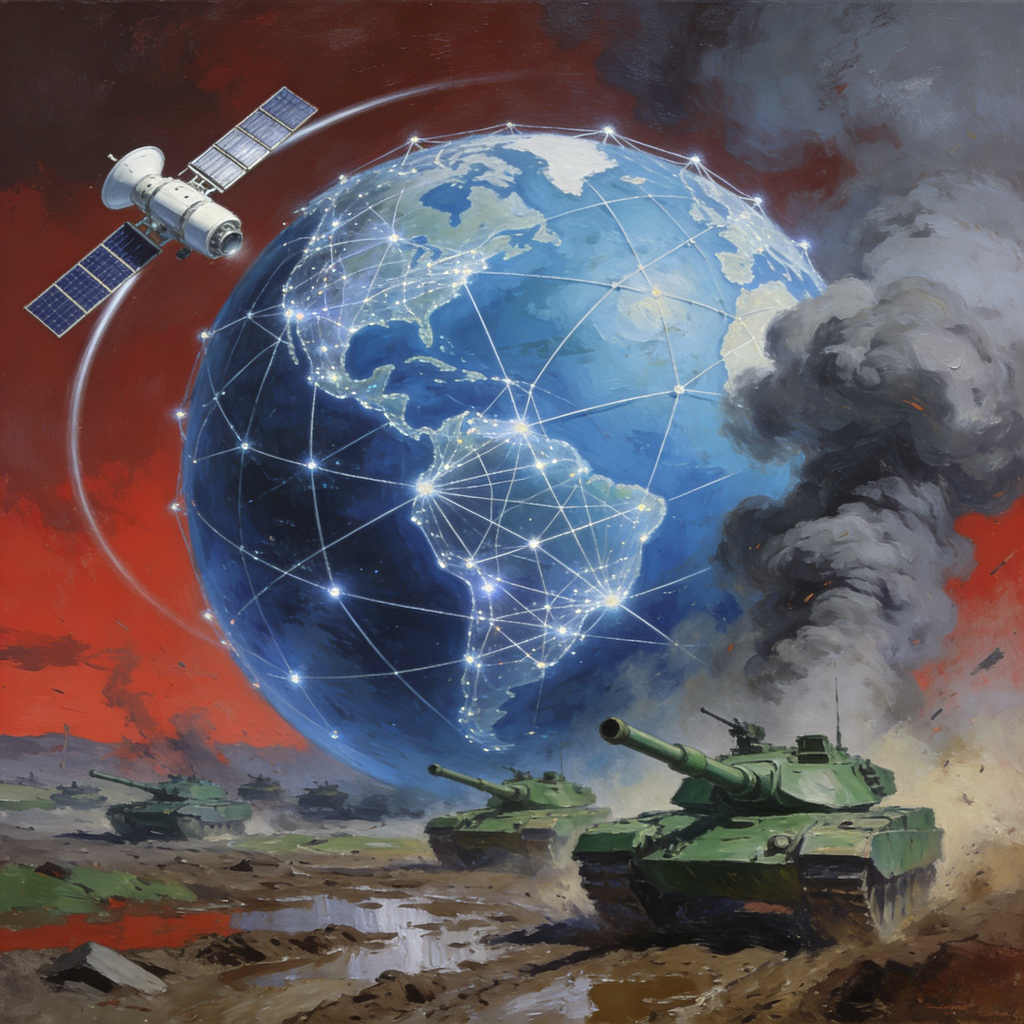
Looking back over these five centuries, the evolution of human civilization has not been a solo performance by any single region, but rather a global interplay of civilizations and restructuring of power dynamics. Every epochal leap forward has been accompanied by the collision and fusion of different civilizations, and every transformation has profoundly reshaped the trajectory of human existence. These momentous events are like scattered pearls, and this planned series of blog posts aims to string them together in an orderly fashion and polish them with meticulous care, using a framework of ‘every five years as a temporal unit.
Epilogue
The choice of five years as the unit was deliberate: too long a span risks missing critical turning points, while too short a period might drown readers in trivial details.
A five-year timeframe allows each temporal slice to showcase both landmark events and capture multidimensional changes across economics, culture, technology, and society.
This approach enables readers to perceive both the ‘skeleton’ of history and experience the ‘flesh and blood’ of each era.
Now, let us embark together on this historical journey spanning five centuries. I will publish one era-focused blog post each week, starting from the pivotal year of 1525, following the footsteps of civilizational evolution to explore how humanity has arrived at the present day and what historical legacies we carry forward into the future.