In the Chronicles section, we embark on a journey through the grand tapestry of human existence, driven by the belief that understanding our shared past is essential to navigating the present and imagining the future. This space is born from a deep-seated obsession with history and literature, seeking to transform the “static” records of textbooks into a living, breathing dialogue. From the rise and fall of mighty empires to the subtle, everyday lives of the people who inhabited them, we explore how different traditions and historical milestones have shaped our modern identity.
Through this meticulously curated archive of world history and essays, we aim to make history accessible and every historical insight more profound. By exploring the stories of the past together, we can make every conversation more meaningful and broaden our horizons for the journey ahead.
Primal Echoes
2.5 Million Years Ago – 10,000 BCE
Before the written word, there was the struggle for survival and the birth of human consciousness. This era explores our origins as nomadic hunter-gatherers, the mastery of fire, and the first expressions of art in the depths of caves. It is the story of how a singular species began to dominate the planet through tools, community, and myth.
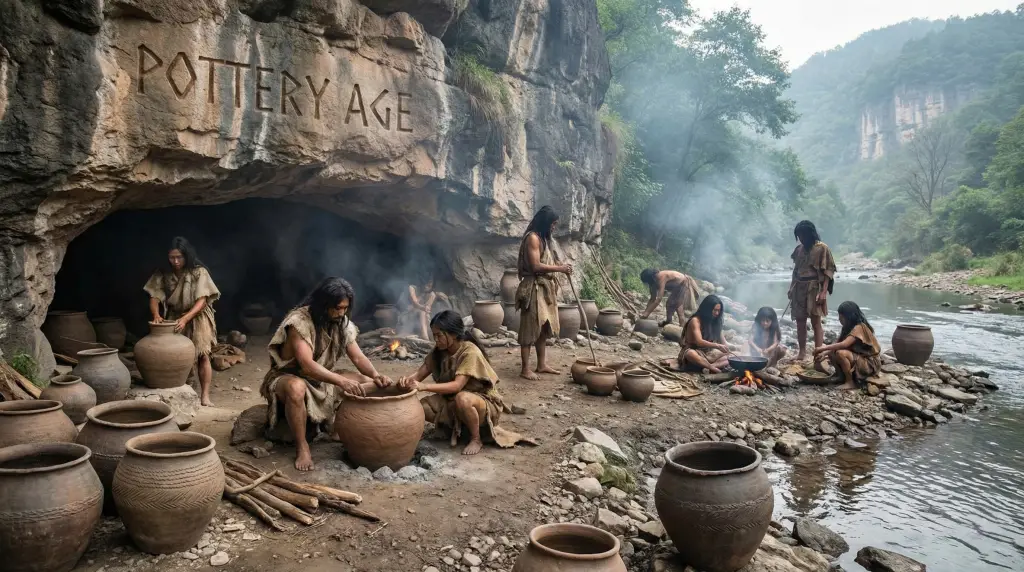
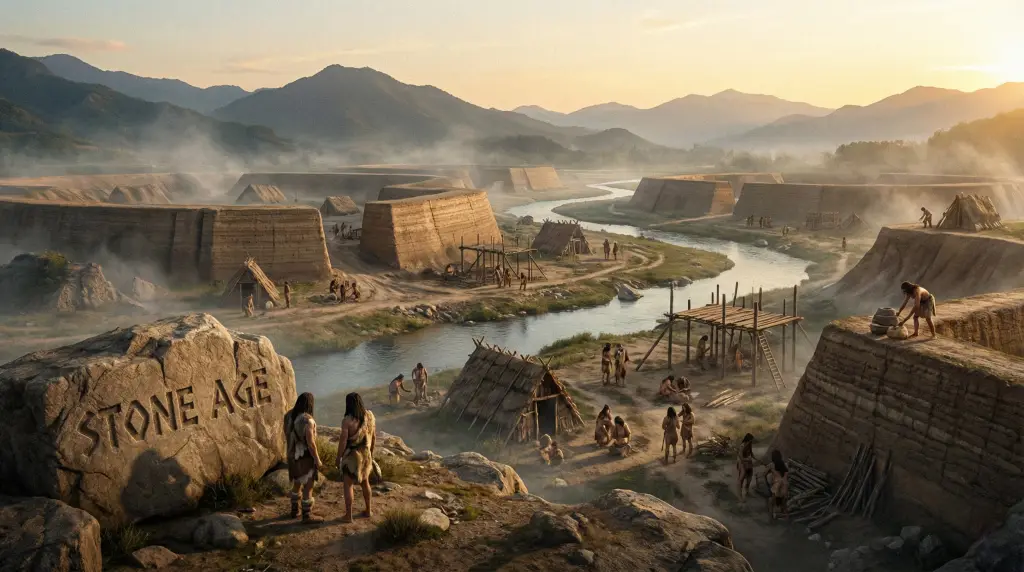
The greatest revolution in human history was the decision to stay in one place. As the glaciers retreated, humanity mastered the soil and domesticated the wild. This chapter examines the transition from wandering tribes to settled villagers, the birth of agriculture, the first permanent architecture, and the complex social hierarchies that followed the first harvest.
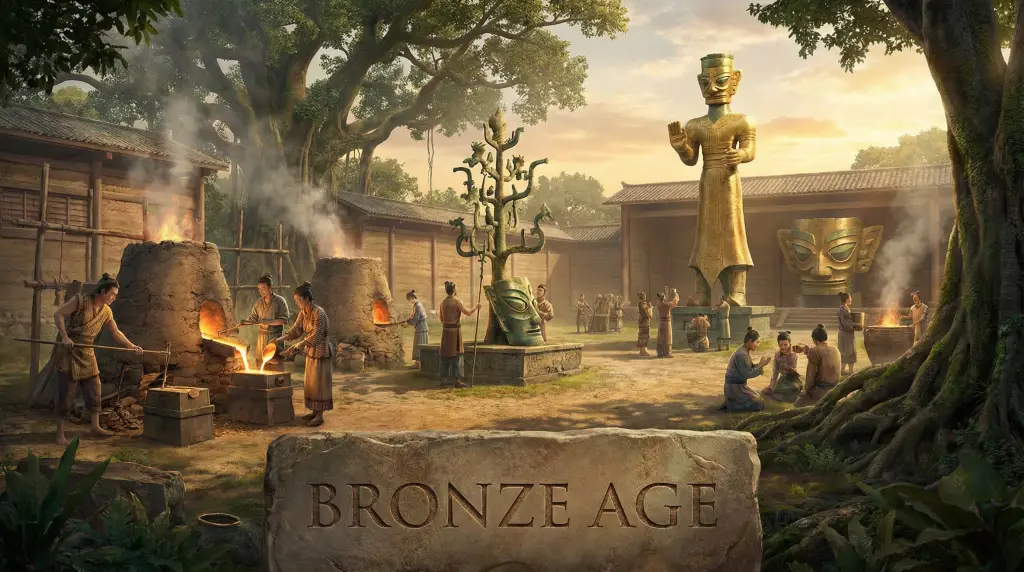
Metal redefined power. The alloy of copper and tin birthed the first great empires—from the Nile to the Indus Valley. This was the era of the first scripts, the first legal codes, and the rise of the god-kings. It explores a world of high diplomacy and trade networks that stretched across continents, eventually meeting a mysterious and violent collapse.
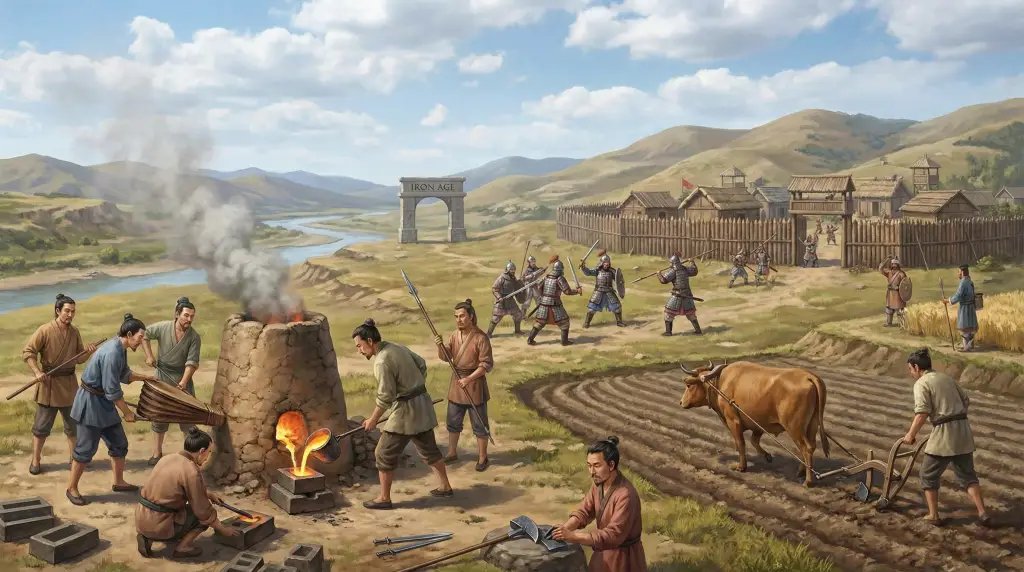
Stronger tools led to sharper thoughts. As iron replaced bronze, warfare and agriculture scaled to an unprecedented level, giving rise to the Classical World. This era covers the “Axial Age”—the simultaneous flowering of philosophy in Greece, India, and China—and the rise of the massive bureaucratic empires like Rome and the Han Dynasty that shaped the modern legal and moral landscape.
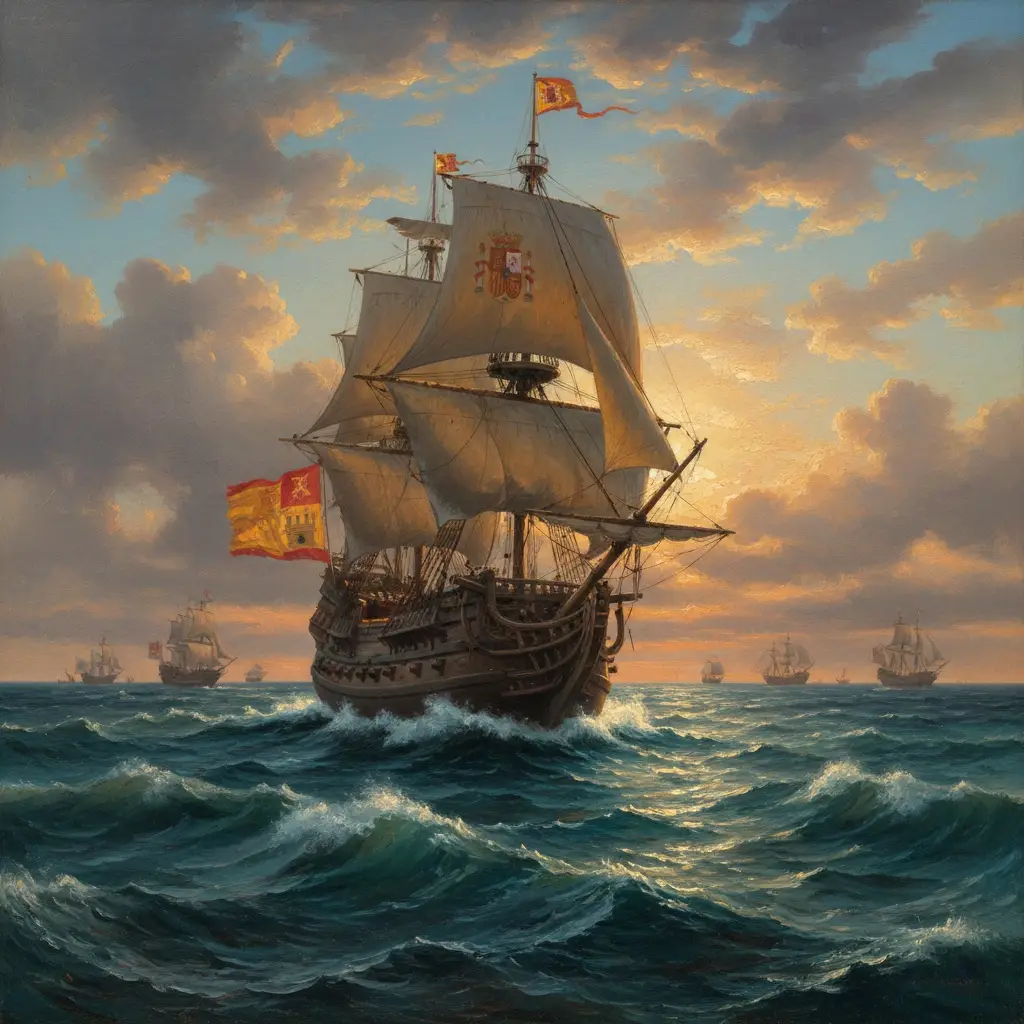
For the first time, the map of the world became a single entity. Driven by spice, gold, and faith, European sails crossed the Atlantic and Indian Oceans, linking disparate worlds through trade and tragedy. This chapter analyzes the “Columbian Exchange,” the birth of global capitalism, and the violent collision of cultures that laid the foundation for the modern geopolitical order.
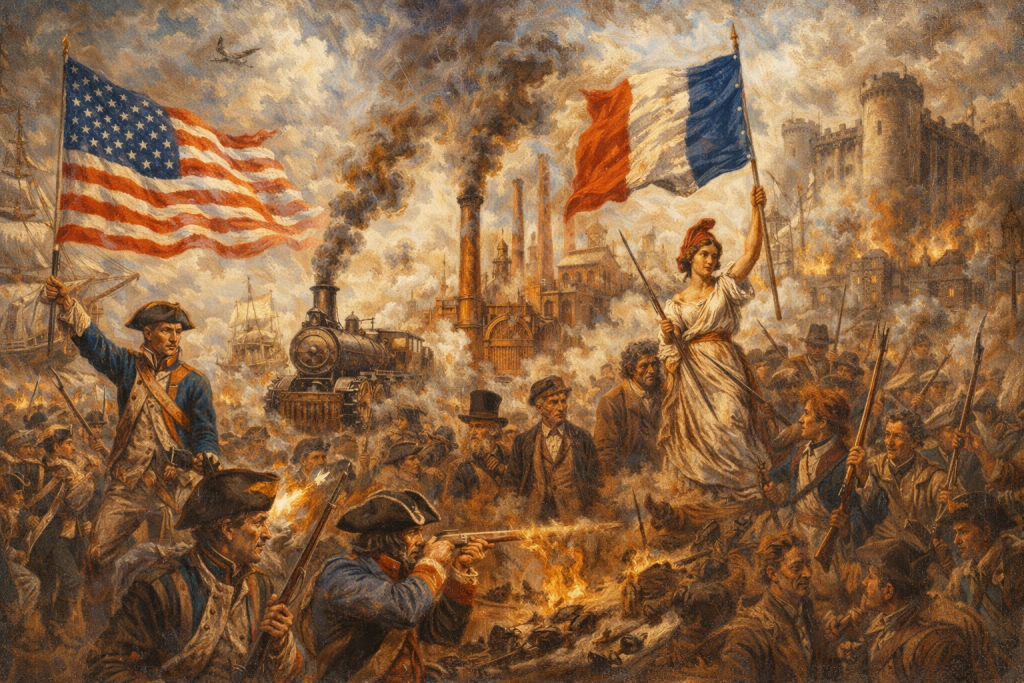
Humanity traded muscle for the machine. Steam, coal, and electricity accelerated the pace of life beyond recognition. This era explores the mass migration to cities, the rise of the middle class, and the darker side of progress: colonialism, total war, and the environmental cost of carbon-based energy. It is the story of how we built the urban, interconnected world we inhabit today.